What a trip to China taught me about AI and people
I went to China to chase late parts and to test a fear: that AI had hollowed out my ability to work with people. Here is what I found instead.
| In one line | AI could not solve a real supply chain problem in China. People who looked beyond the manual could. |
| Who should read this | Leaders weighing how much of their business, and their own working day, to hand over to AI. |
| Bottom line | People remain a company's most important asset, and that will matter even more in a world of AI. |
| Read time | 4 min |
Finally. I made the decision. After a few days of internal debate I told my colleagues that someone had to go and I suggested that that someone should be me.
Because, I said, we needed those parts. It was obvious really. Even if they did arrive on time our project could still fail. If they didn't our failure was guaranteed.
We had to get some boots on the ground to get our suppliers motivated, I explained.
For us, a small company in South Africa, failure to deliver was a life and death scenario.
But for these distributors, we were not even a rounding error.
The only way this was going to work was for us to get inside their corporate machines.
The part I didn't tell my colleagues
As I landed in Guangzhou, China I admitted to myself that I had not told my colleagues the full story.
That actually I also had to be there to prove that I could still be relevant.
Because over the last months I had spent more time working with AI than humans.
And I was beginning to worry that this daily diet of sycophantic feedback from large language models was making me feel productive whilst in reality it was killing my ability to do real work. With real people.
So I had to go to China. To see what AI had sucked out of me. And perhaps also to see how the Chinese were dealing with AI within their own spaces.
And my word I'm so happy I went.
Because in a nondescript office, talking about batteries and freight forwarding, I realised that my AI fears were unfounded.
And that AI would never be able to fully replicate the work that we humans do.
Where the algorithms ran out
I'd thought going into China that even a basic model could work out how to orchestrate the movement of goods from A to B. That perhaps I could hack a solution with a laptop and a phone from southern Africa. That perhaps this trip to China was in reality more about me trying to rediscover my place than it was genuinely about finding a solution for the team.
Manufacturing and logistics are after all well documented businesses. The Chinese have been masters at this for decades.
But I found the algorithmic suggestions were miserable. Every prompt I gave returned an answer I couldn't accept. That it was just not possible to deliver what I needed in the timeframes I'd set.
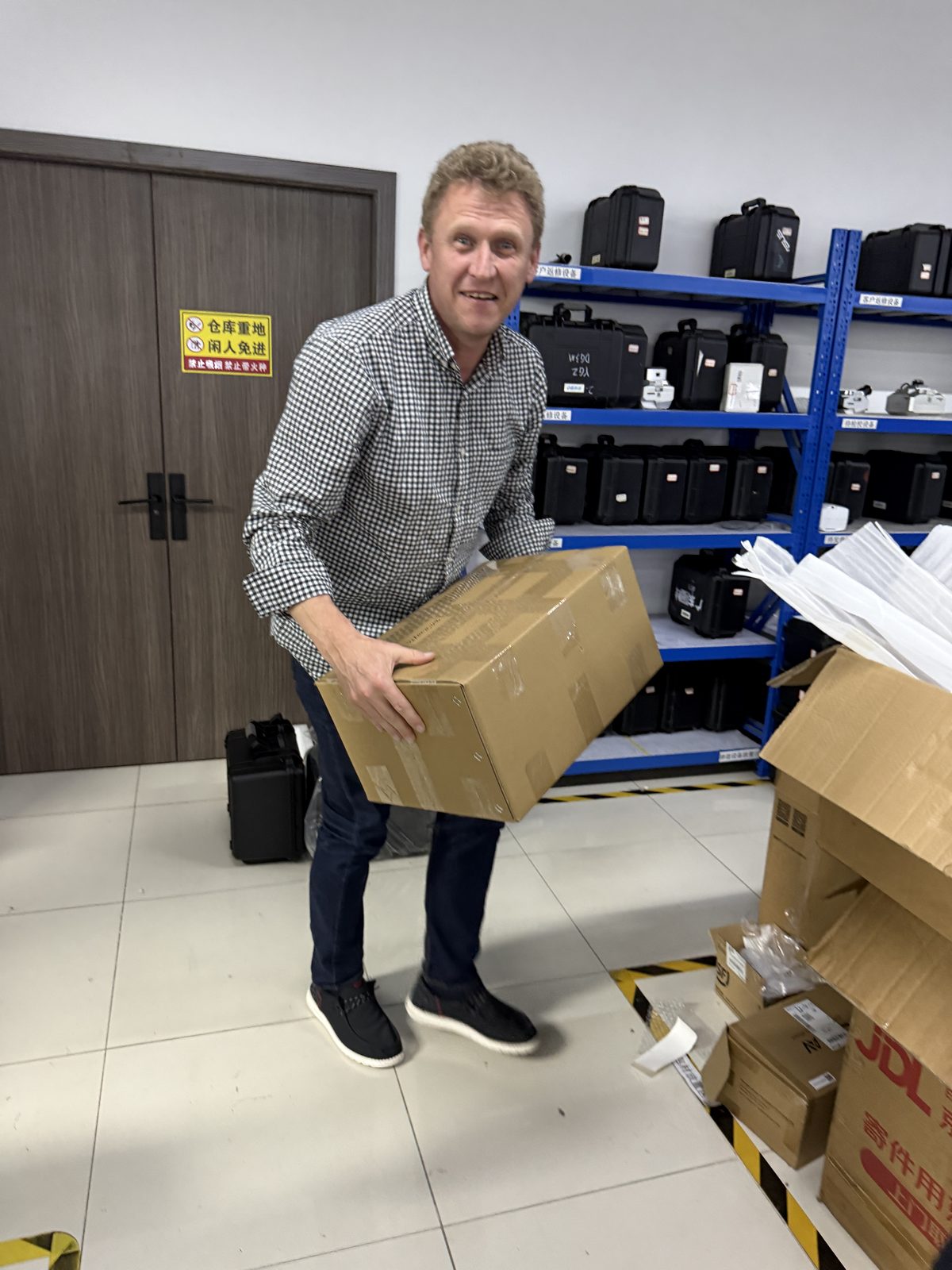
Within 5 minutes of the first meeting I knew I had taken the right decision. That going to China, to the manufacturers' offices and meeting with their teams was the only way we were going to succeed.
Upcoming Virtual Event
How To Rebuild Cities
Tuesday, 13 October 2026
With Bea Swanepoel, Jozi My Jozi
Register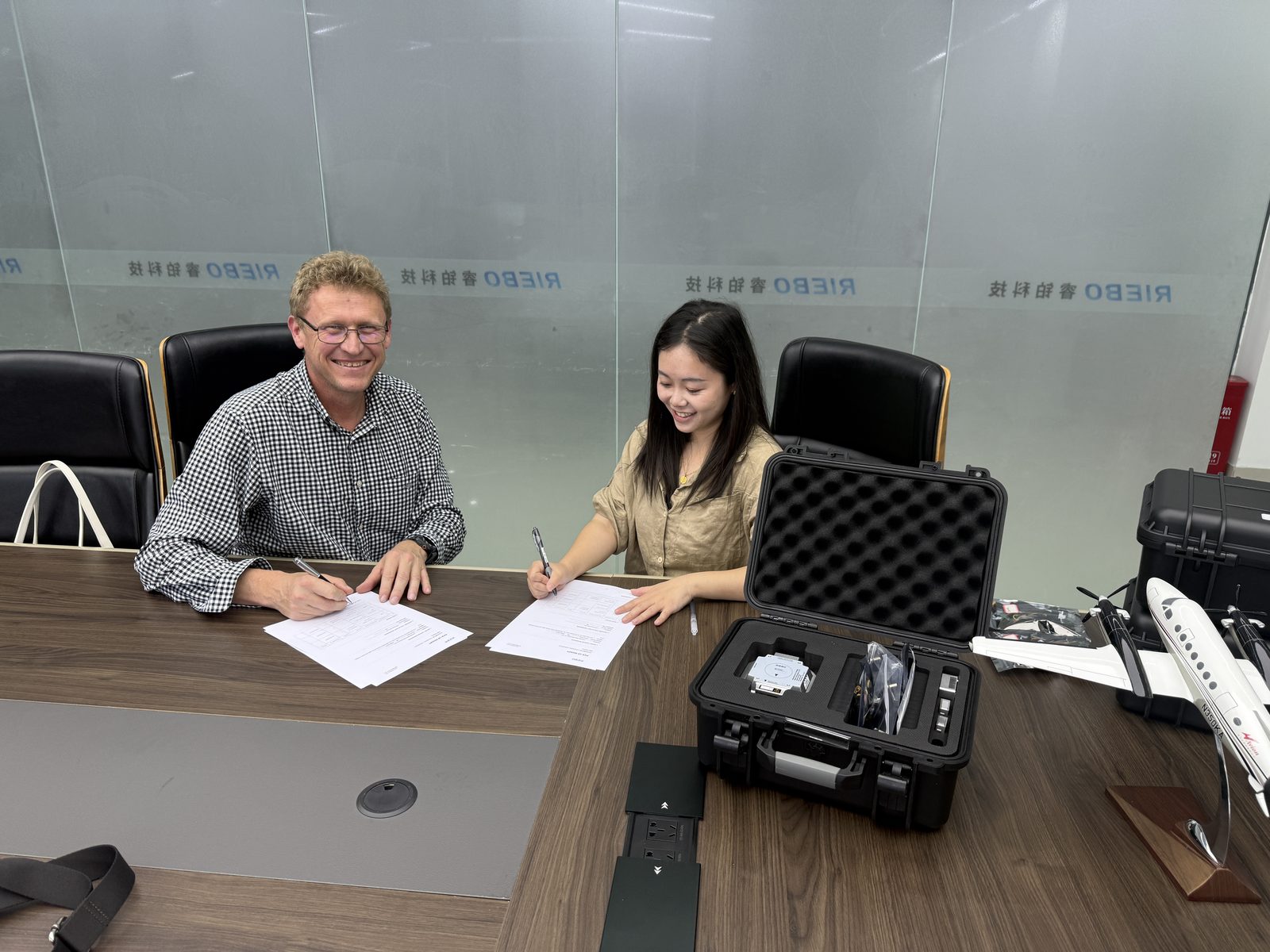
What the people did instead
Because the people I met intuitively knew they would not find the answers to my problem in their procedures manuals.
That they would have to brainstorm with colleagues from around the world, from outside of their organisations even, to find new ways to do what previously was just not possible.
I could see how their thinking was not limited to the written information which the LLMs had relied on. And that their analysis wasn't restricted by weights and inference that tended towards the mean. The boring. The average. That they would be able to develop ideas that were irrational. Crazy even. And that from this we could just maybe find a way to deliver.
I also got to see how they willingly ignored their own incentives and key performance indicators. They did things that benefited me more than it benefited themselves.
And I also saw how important their passion was in helping them convince their reticent colleagues to join in delivering the impossible.
I realised that I had started anthropomorphising large language models, believing their human traits indicated they could operate in a human world.
Those few days in China reminded me how ridiculous a conclusion that was.
People are still the asset
We overlook just how unbelievably complex doing business really is. This is the reason it takes years, sometimes decades to become a domain expert. And even then it's impossible to truly comprehend the dependencies we have on hundreds of millions of people working independently but somehow in concert to deliver even the simplest products around the world.
It's too early to say if my orders will arrive in time. But this experience convinced me that the prophecies of AI replacing employees are overblown. Rather it strengthened my view that people are genuinely a company's most important asset and that this will become even more so in a world of AI.
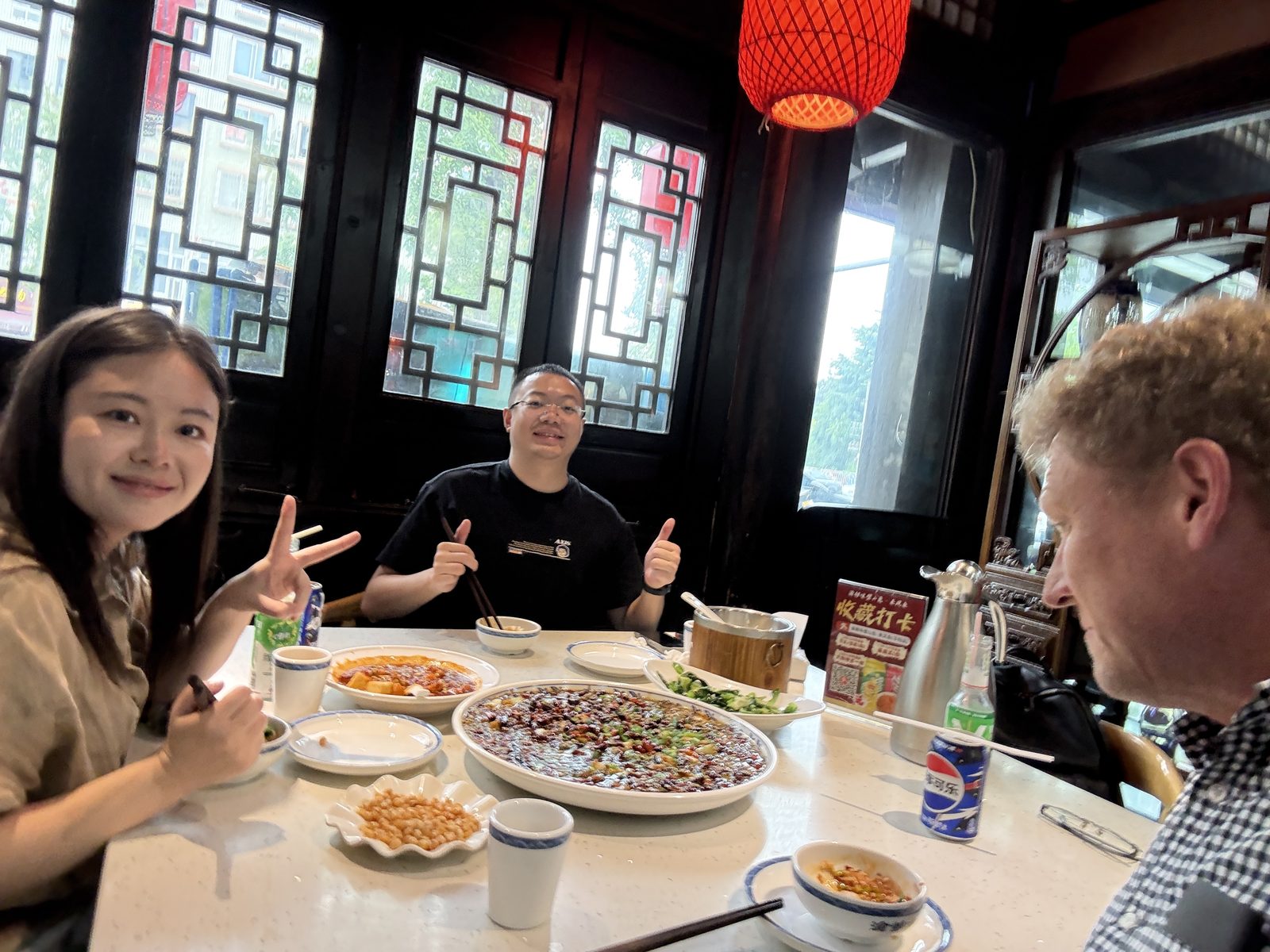
I leave China happy that I still have something to offer the world, and determined to spend more time learning from and working with people than machines.
The Backroom
Get conversations with senior leaders delivered to your inbox.